A Curved Roof For Better Water & Wind Performance
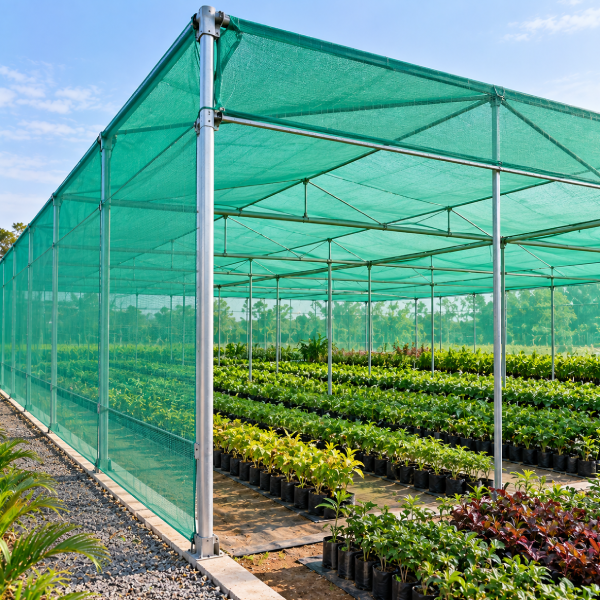
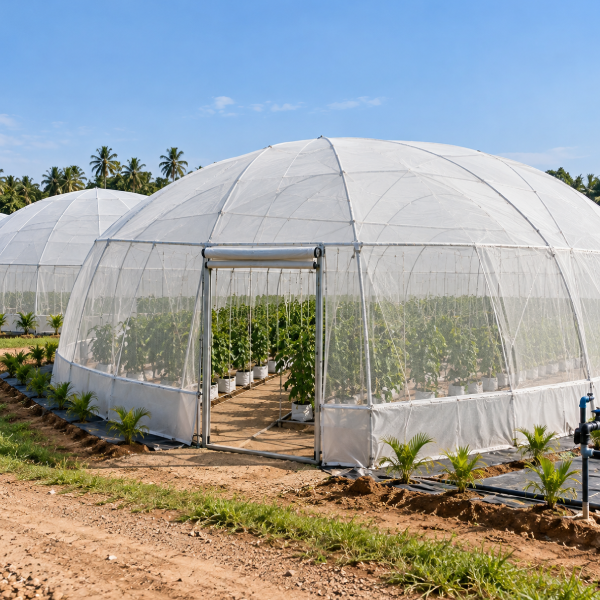
The dome type net house combines a curved (dome or Quonset-style) roof profile with shade netting and, where needed, a poly film layer for added weather protection. The curved shape sheds rainwater more effectively than flat roofs, reducing pooling, and distributes wind load more evenly across the frame — a meaningful advantage in regions with heavier seasonal rainfall.
Built on a hot-dip galvanized iron frame bent to the dome profile, this structure suits regions with heavier rainfall or wind exposure, while still delivering the light-moderation benefits of shade netting. It's a practical hybrid for farmers who want more weather resilience than a flat-roof net house without the full cost of a poly house.
- Curved Dome Roof Profile
- Better Rainwater Runoff
- Improved Wind Resistance
- Combined Net & Film Option
Dome Type Shade Net House — At A Glance
Engineered around a curved GI frame combining shade netting and optional film covering, sized to your plot and local weather conditions.
Built For Weather Resilience
Every dome type net house is engineered around its curved profile for better water and wind performance, using the same reliable GI frame and netting materials as our standard net house range.
Improved Water Runoff
The curved roof sheds rainwater faster than flat-roof designs, reducing pooling and load.
Better Wind Distribution
The dome shape distributes wind load more evenly across the frame than angular roofs.
Combined Net & Film Option
Shade netting can be paired with a film layer for added weather protection where needed.
GI Pipe Frame
Hot-dip galvanized iron frame, bent to the dome profile for structural strength.
Even Wind Load Distribution
The curved profile spreads wind pressure evenly across the frame, reducing stress concentration compared to flat or angular roof designs.
Combined Film & Net Roof Option
The dome roof can be fitted with a film layer over shade netting for regions needing both rain protection and light moderation.
Why Choose A Dome Profile
A structure built for regions where rainfall and wind exposure are real design considerations, without giving up the cost and airflow benefits of netting.

Better Storm Performance
Curved profile handles wind and rain loads more evenly than flat-roof structures.

Reduced Water Pooling
Faster runoff reduces the risk of water damage or roof stress from standing water.

Light & Heat Moderation
Shade netting still delivers the same light and heat benefits as flat-roof shade structures.

Longer Structural Life
Even load distribution can extend the structure's service life in exposed locations.

Lower Structural Stress Over Time
Even load distribution reduces the wear and stress points that shorten a structure's working life in exposed locations.
Suited To Coastal & High-Rainfall States
A practical choice for installations in Gujarat, Maharashtra and other higher-rainfall regions we serve PAN India.
Suited To These Growing Needs
Best suited to regions with higher rainfall or wind exposure than a flat-roof structure can comfortably handle.
Higher Rainfall Regions
Areas where water runoff performance is a key structural consideration.
Wind-Exposed Sites
Open or elevated plots with greater wind exposure than average.
Nursery & Shade Crops
The same shade-loving crops suited to standard shade net houses, with added weather resilience.
Coastal & High-Rainfall States
Regions like parts of Gujarat and Maharashtra with heavier seasonal rainfall.
Monsoon-Exposed Nurseries
Nursery operations in regions with heavy monsoon rainfall that need reliable roof drainage alongside shade.
Coastal Farm Installations
Wind-exposed coastal sites where structural resilience is a primary design consideration.
Have A Question About This Structure?
Talk to our team directly — no forms, no waiting.
Call +91-76656 35358 Chat On WhatsAppDome-Bent GI Frame & Combined Covering
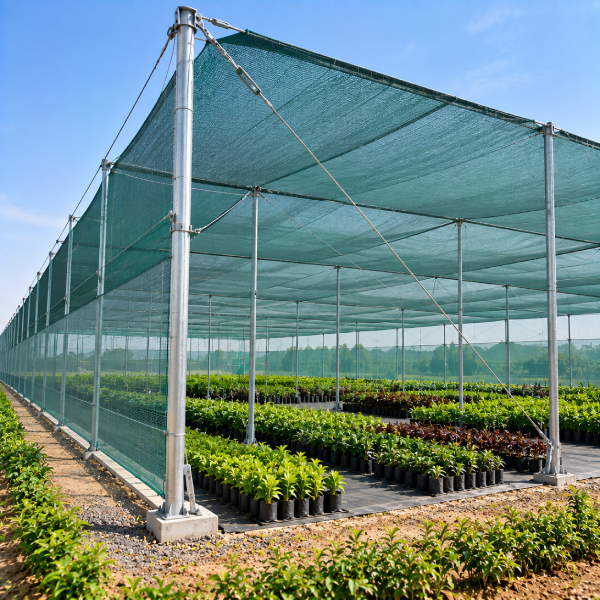
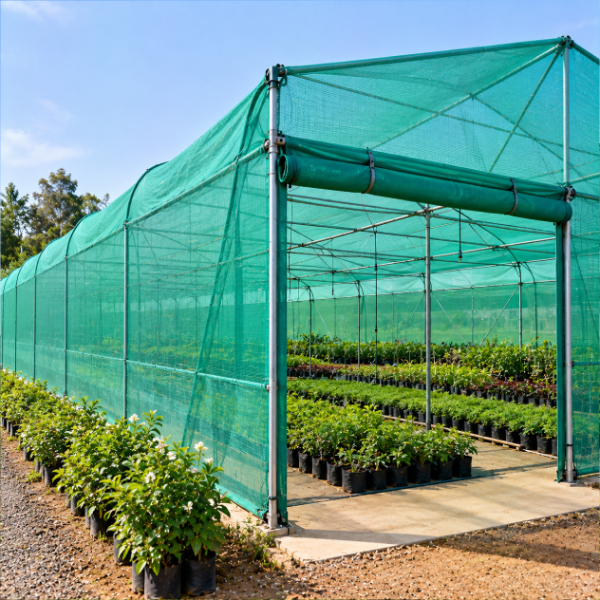
The frame uses hot-dip galvanized iron (GI) pipes bent to a curved dome profile for structural strength. Covering combines UV-stabilized shade netting with an optional poly film layer for added weather protection where needed.
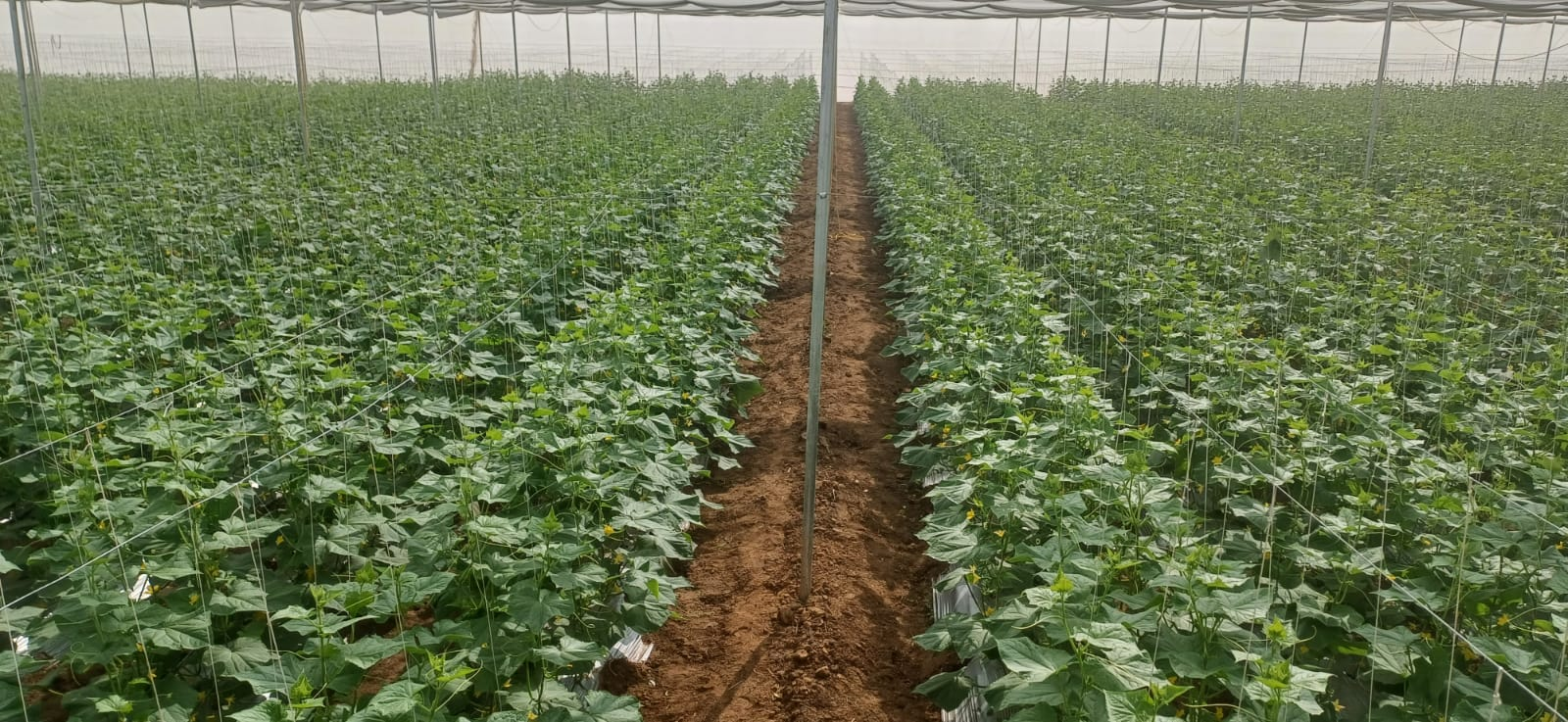
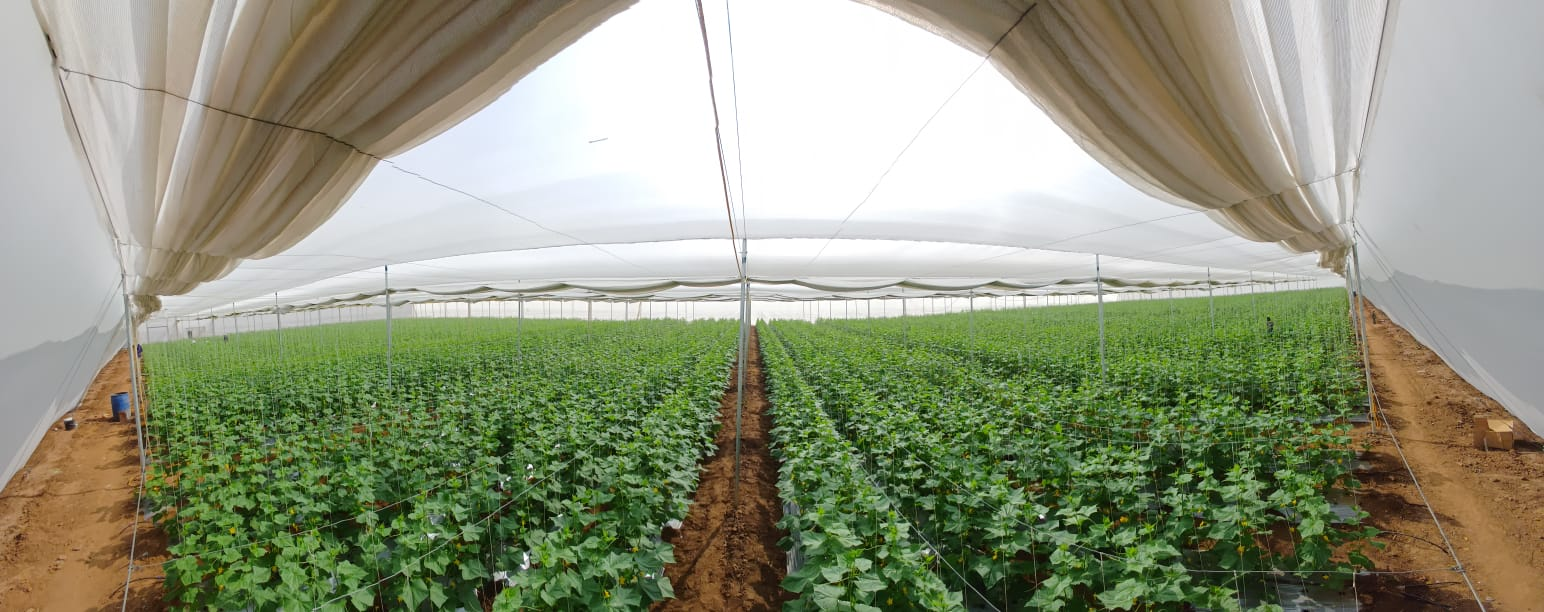
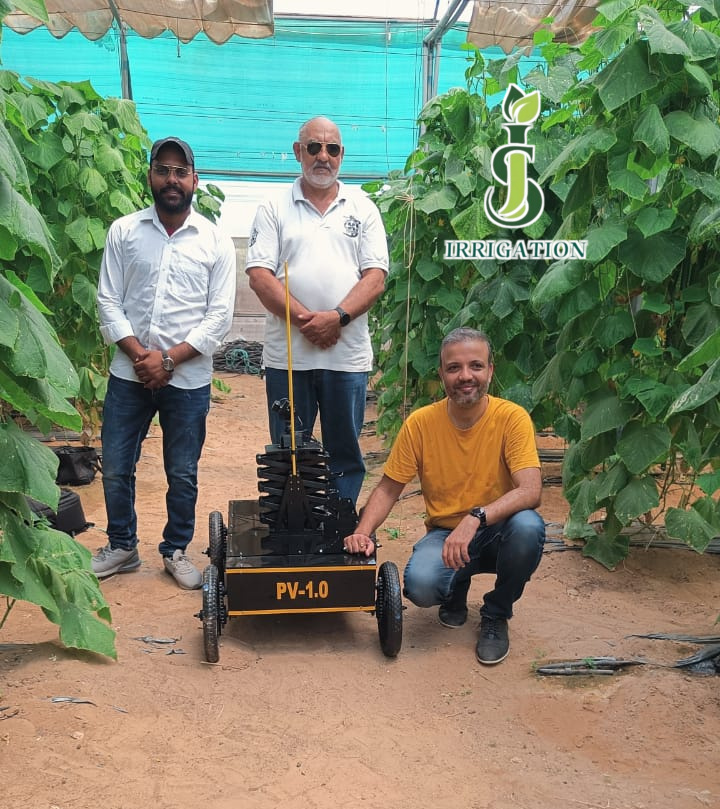
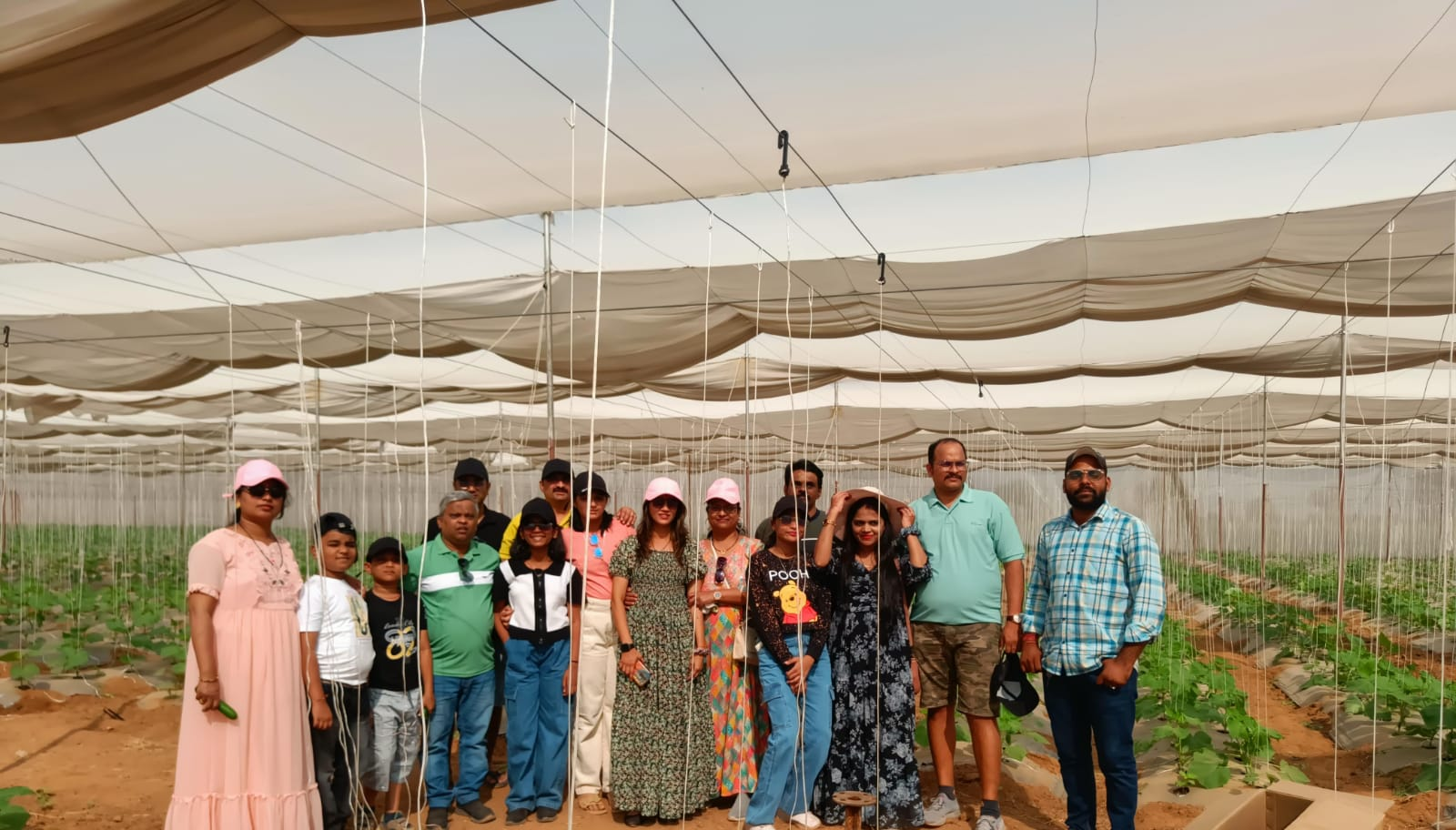
Dome Type Shade Net House — Real Installations
From Enquiry To Installation
A straightforward, five-step process from your first enquiry to a fully installed net house structure.
Enquiry & Site Visit
Share your land size and crop plan with our team. We schedule a free on-site visit to assess soil, sunlight and wind exposure.
Design & Quotation
Based on the site visit, we recommend a structure size, shade grade and layout, and share a detailed quotation.
Fabrication
GI pipes are cut, galvanized and fabricated at our facility in Sumerpur, and netting is cut to size.
On-Site Installation
Our installation team erects the frame, fits and tensions the netting, and completes the foundation work on your site.
Handover & Support
We walk you through operation and upkeep, and remain available for after-sales support and netting replacement.
The curved dome profile sheds rainwater more effectively and distributes wind load more evenly than flat or angular roof designs, making it a good fit for regions with heavier rain or wind exposure.
Yes, many dome type shade net houses combine shade netting with a poly film layer for added weather protection, depending on your local climate and crop needs.
The dome-bent frame typically costs a little more to fabricate than a flat-roof frame, but the improved weather resilience often pays off in exposed or high-rainfall locations.
Cost depends on span width, covering choice (netting only or netting plus film) and site conditions. Share your requirement for a free, customized quote.
Yes, we install dome type shade net houses PAN India, including higher-rainfall states like Gujarat and Maharashtra.
The dome-bent frame typically costs a little more to fabricate than a flat-roof frame, but the improved weather resilience often pays off in exposed or high-rainfall locations.
Yes, dome profiles can be joined across multiple spans for larger commercial layouts, with the same rainwater and wind-load advantages at scale.
The curved roof slightly reduces headroom at the edges compared to a flat roof, but center height remains comparable — our team can advise based on your crop’s height requirements.
Maintenance is similar to a standard net house — periodic netting tension checks and film inspection if a combined covering is used — the curved frame itself needs no special upkeep.
Have A Project In Mind?
Share your requirement and our team will get back to you within 24 hours with a free site consultation and a customized quote.
Send A Message
No obligation. Response within 24 hours.
More From Net House